Guide
How to Be a Good Guest in Our Andaman Home
We love it when you visit our islands! But this paradise is fragile. Here are some simple, honest tips from a local on how to travel responsibly in the Andamans, protect our reefs, and support the community.
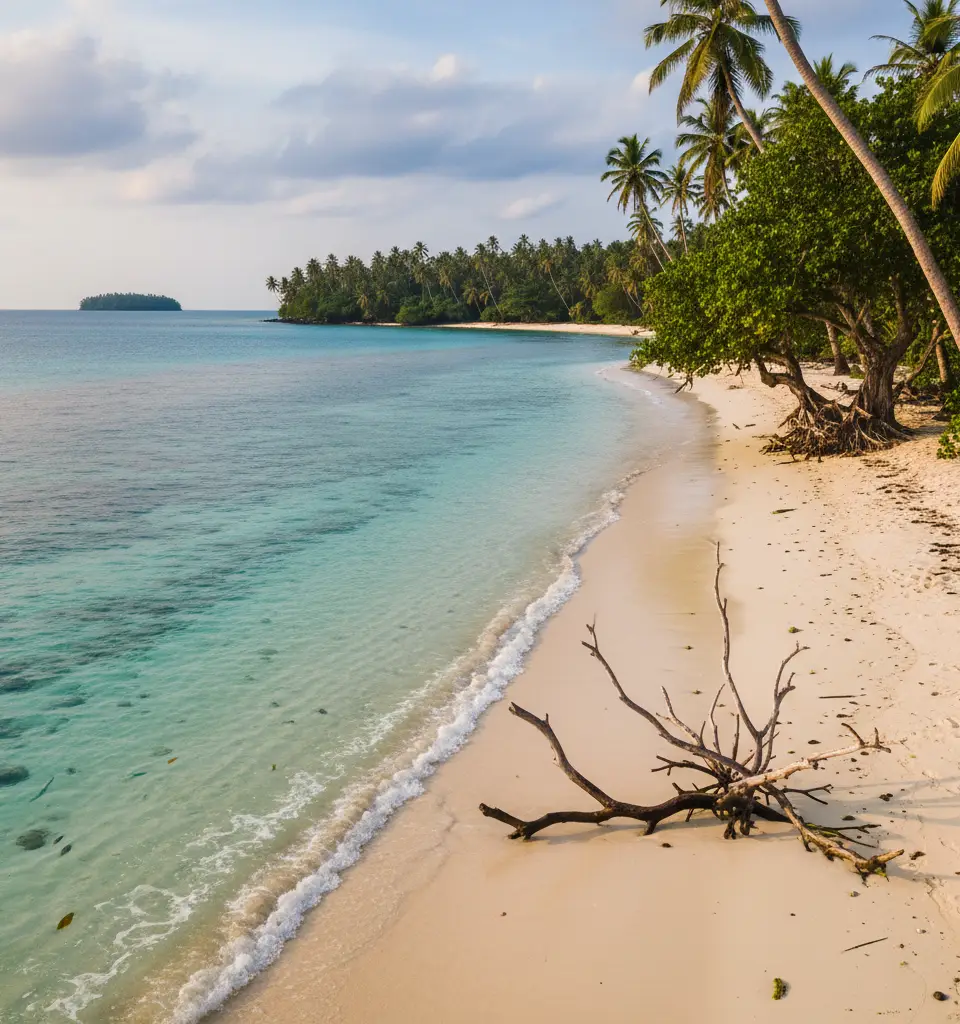
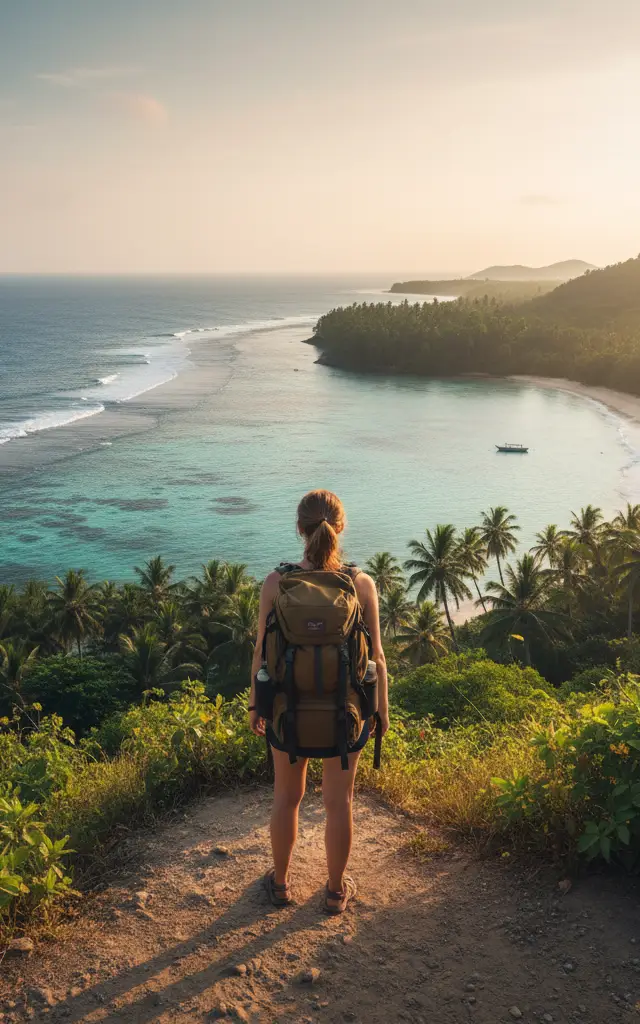
So, you’re coming to the Andamans? That’s great news! We’re genuinely happy to share our home with you. There’s nothing better than seeing someone’s face light up the first time they see the colours of the reef at Elephant Beach or the sunset at Radhanagar. But here’s the thing we locals talk about: our island ecosystem is beautiful, but it’s also incredibly fragile.
Being a good visitor here isn't about a strict set of rules. It’s a mindset. It’s about leaving this place just as beautiful—or even a little better—than you found it. We’ve seen the impact of tourism over the years, both good and bad. A little bit of awareness goes a very long way in making sure the Andamans stay special for generations to come. Let's get into a few simple ways you can help.
It's About Respect: For Nature and for People
This is the big one. Every beautiful thing you see here, from the coral reefs to the dense green forests, is part of a delicate balance. The biggest favour you can do for us, and for future visitors, is to simply look and not touch.
When you’re snorkelling or diving, please, please don't stand on or touch the corals. They look like rocks, but they are living animals, and a single touch can damage or kill them. The same goes for marine life; let's admire them from a distance. The waters around Havelock and Neil Island are famous for their clarity and life—let's keep them that way.
Plastic is a huge problem for islands everywhere, and we're no different. You'll see government initiatives to tackle it, but your personal choices matter most. Bring a reusable water bottle. Most hotels and restaurants will be happy to refill it for you. Say no to plastic straws and bags. It might seem like a small thing, but when thousands of visitors do it, it makes a massive difference in keeping our beaches and seas clean.
And it’s not just about nature. A very important part of responsible travel here involves the indigenous tribes, like the Jarawa people. It is illegal and deeply harmful to try and contact, photograph, or offer food to them. The road through the Jarawa Tribal Reserve (the Andaman Trunk Road) has strict rules for a reason. Please respect their privacy, their culture, and their right to be left alone. Interacting with them is not a tourist attraction; it’s a disturbance to a protected community.
Your Money Matters: Support the Right People
Where you spend your money can have a huge positive impact on the local community. It’s easy to stay inside a big, fancy resort for your whole trip—and that’s fine!—but we encourage you to step out and engage with the local economy.
Eat at the smaller, family-run restaurants in Port Blair or in the markets on Neil Island. You’ll get a real taste of Andaman food, and your money goes directly to a local family. Instead of buying mass-produced souvenirs, look for handicrafts made by local artisans. You can find beautiful things made from coconut shells, shells collected from non-protected areas, and bamboo. These are authentic mementos that support traditional skills.
When you book tours, ask if your guide is a local. Hiring a local guide for a trek, a mangrove kayaking trip, or even just a tour of Port Blair’s history gives you a much richer experience. A local has stories and insights you’ll never find in a guidebook. Plus, you’re supporting someone whose livelihood depends directly on the preservation of the local environment and culture.
FAQs
Q: Can I take seashells or corals from the beach as souvenirs? A: No, please don't. It’s illegal to take any shells or coral from the Andamans. They are a part of our ecosystem. Even empty shells will eventually break down to form sand or become a home for another creature, like a hermit crab. Buy local handicrafts instead!
Q: I’ve heard my sunscreen can harm corals. Is that true? A: Yes, many common sunscreens contain chemicals like oxybenzone and octinoxate that are toxic to coral reefs, causing them to bleach and die. Please choose a "reef-safe" or "mineral-based" sunscreen (with zinc oxide or titanium dioxide) before you get in the water. We locals really appreciate this!
Q: What's the best way to reduce my plastic footprint while visiting? A: The easiest and most effective thing you can do is bring your own reusable water bottle. You can refill it almost anywhere. Also, carrying a small cloth bag helps you avoid taking plastic bags from shops. These two simple habits make a gigantic difference.
Q: I want to help with a beach clean-up. Are there opportunities for that? A: Absolutely! Several local environmental groups and some dive centres on Havelock (Swaraj Dweep) organize regular beach and underwater clean-ups. It's a fantastic way to give back and meet like-minded people. Ask around when you get here; your hotel or dive school will likely know who is organizing one.
Local planning essentials
Plan the next part of your Andaman trip
Use these local guides to connect the islands, ferries, seasons and costs into one workable route.
- Scuba planningScuba diving costs and best sitesCompare beginner dives, certified dives and course prices across Havelock, Neil and Port Blair.Read the local guide
- Ferry logisticsPort Blair to Havelock ferry guideUnderstand sailing choices, reporting time, luggage rules and the buffer needed around flights.Read the local guide
- Havelock guideKalapathar Beach sunrise guidePlan the sunrise route, transport cost, tide-dependent photo stops and a sensible visit length.Read the local guide
- Island guideHavelock (Swaraj Dweep) island guideHow many nights Havelock needs, which beaches suit which day, and how to move between the jetty, Radhanagar and Kalapathar.Read the local guide
- andaman
- responsible travel
- ecotourism
- travel tips