Guide
Best Months for Scuba Diving and Water Sports in Andaman
Choose the right Andaman travel month for scuba, snorkelling and water sports, with practical sea-condition and backup-day advice.
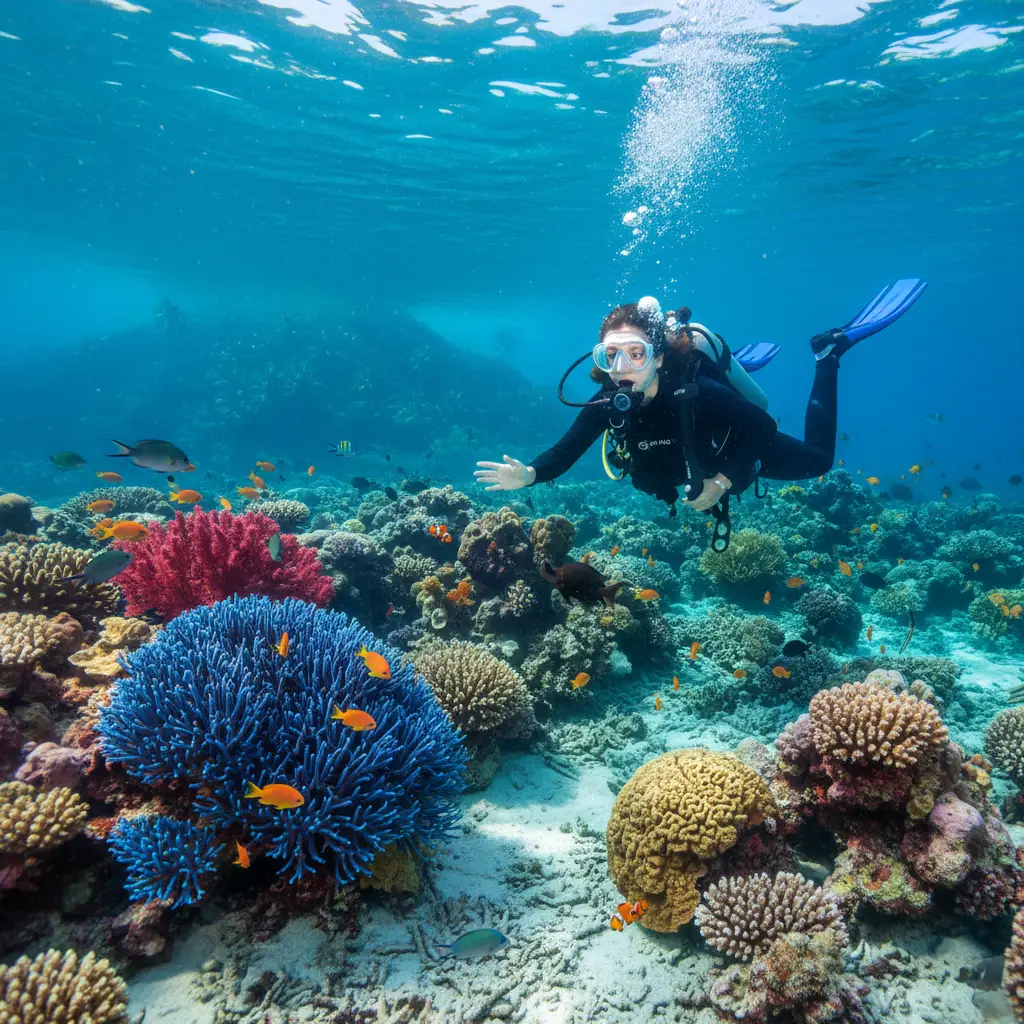
If scuba diving, snorkelling or sea walking is one of the main reasons for your Andaman trip, do not choose dates from a weather icon alone. Rain on land, wind at sea and underwater visibility are related, but they are not the same thing. A sunny morning can still have rough water, while a cloudy day can produce a perfectly good dive.
The practical answer is simple: November to May is the main Andaman diving window, while December to March is the most popular period. October and May can still work, but they sit closer to seasonal transitions. From June to September, monsoon conditions make boat operations and visibility less predictable.
This guide helps you choose a travel window, build the activity into the right part of your itinerary, and avoid the planning mistakes that turn one rough-sea day into a missed experience.
Quick month-by-month decision table
| Travel period | What it usually means | Best planning approach |
|---|---|---|
| October to November | The sea generally settles after monsoon, but conditions can still change | Keep one flexible activity day and confirm the site locally |
| December to January | Popular season with broad operator availability and heavier demand | Reserve early, especially around holidays, but keep the exact site flexible |
| February to April | Often the strongest all-round window for diving and underwater activities | Good choice for certification courses, repeat dives and underwater photography |
| May | Warm, transitional and more variable as the monsoon approaches | Book refundable options and avoid placing the activity on your final island day |
| June to September | Monsoon rain, wind and rougher sea conditions can reduce operations | Travel only with flexibility and expect postponements or cancellations |
These are seasonal patterns, not guarantees. The dive centre and local authorities decide whether an activity can operate on the day. If your trip is built around the water, allow the plan to move by 24 hours.
For the broader weather, ferry and crowd picture, use our month-by-month Andaman planning guide.
The best month depends on the activity
People often group every water activity together, but each one depends on different conditions.
Scuba diving
Scuba is the most condition-sensitive and the most rewarding to plan properly. Visibility, current, wind direction, boat access and the diver's experience all influence the site selected that morning. A beginner discovery dive is usually kept in a sheltered area. A certified diver may be offered a wider choice, but only when the operator considers the sea state suitable.
PADI describes November to May as the broad Andaman diving season. If you are travelling mainly to dive, February to April is a sensible first choice because it sits well inside the established season without relying on a transition month.
Snorkelling and sea walking
These activities are usually attached to a specific beach or boat operation. At Elephant Beach, access and activity availability can change with weather and boat permissions. Do not assume that reaching Swaraj Dweep automatically guarantees every activity on your chosen day.
If snorkelling is essential, schedule it before your final full day on the island. That gives the local team room to move it when the first attempt is cancelled.
Jet ski, parasailing and glass-bottom boats
Surface activities can be stopped even when it is not raining. Wind, swell and local operating permissions matter more than the colour of the sky. Treat the advertised activity list as a menu of possibilities, then confirm what is operating after you arrive.
Which island should you choose?
Swaraj Dweep (Havelock) is the easiest base for travellers who want diving to be a major part of the holiday. It has established dive centres, beginner and certified-diver options, and enough other beaches to keep the day useful if the boat plan changes.
Shaheed Dweep (Neil Island) suits travellers who want a quieter island stay with diving as one part of the trip. It works best when you have enough nights to avoid rushing through a ferry connection.
Sri Vijaya Puram (Port Blair) can be practical when you have limited time or want an activity before travelling onward. The exact site and format depend on current operator permissions and sea conditions.
The Andaman and Nicobar Tourism website maintains a current list of authorised water-sport operators. Check that list and ask the operator what type of permission they hold before paying.
How to choose a responsible operator
A low price should not be the main reason to choose a dive centre. Before confirming, ask:
- Is the operator currently authorised for this island and activity?
- Who will conduct the briefing, and what certification do they hold?
- Is the quoted activity a shore dive, boat dive or short introductory experience?
- What happens if sea conditions stop the activity?
- Is equipment, transport, photography and tax included in the quotation?
- What medical or age screening applies to the participant?
A responsible operator will explain the plan, the limits and the cancellation process without promising a particular animal sighting or visibility number.
Put the water day in the middle of the trip
The safest itinerary shape is to place scuba or snorkelling after you have settled on the island and before the final transfer day. For a five-night trip, that normally means:
- Arrive in Sri Vijaya Puram and stay overnight.
- Take a confirmed ferry to Swaraj Dweep.
- Use the next morning for the primary water activity.
- Keep a second island day available for a weather move, another dive or a beach visit.
- Return to Sri Vijaya Puram before the flight-home day.
Our Andaman ferry guide explains why a ferry and a flight should not share the same tight connection. You can also compare current indicative activity costs in the Andaman cost index.
Do not fly too soon after scuba diving
Scuba adds one more timing rule. Divers Alert Network recommends a minimum pre-flight surface interval of 12 hours after a single no-decompression dive and 18 hours after multiple dives in a day or diving across several days. More complex dives can require longer. Read the DAN flying-after-diving guidance and follow the stricter instruction given by your dive professional.
For an Andaman holiday, the cleanest approach is to finish diving at least the day before your flight and spend the final night in Sri Vijaya Puram. That also protects the flight from an inter-island ferry delay.
The best practical answer
Choose February to April when diving is the main purpose of the trip. Choose November to March when you want a balanced family or couple holiday with a good chance of running several water activities. Treat October and May as flexible shoulder months, and avoid building a fixed, water-sport-heavy itinerary in the core monsoon.
The date still does not guarantee the sea. A well-built trip gives the activity two possible windows and keeps the return flight protected.
Tell our Port Blair team your dates, swimming confidence and preferred activities through the Andaman trip planner. We will place the water day around the ferries, keep a backup window and quote each activity separately before you confirm.
Local planning essentials
Plan the next part of your Andaman trip
Use these local guides to connect the islands, ferries, seasons and costs into one workable route.
- Scuba planningScuba diving costs and best sitesCompare beginner dives, certified dives and course prices across Havelock, Neil and Port Blair.Read the local guide
- Ferry logisticsPort Blair to Havelock ferry guideUnderstand sailing choices, reporting time, luggage rules and the buffer needed around flights.Read the local guide
- Season guideBest time to visit AndamanChoose travel months using sea conditions, ferry reliability, prices and scuba visibility.Read the local guide
- Trip durationFive-day Andaman itinerary and costsSee a practical Port Blair and Havelock route with hotel tiers, ferries and per-person estimates.Read the local guide
- scuba diving in andaman
- water sports
- best time to visit
- swaraj dweep
- snorkelling